
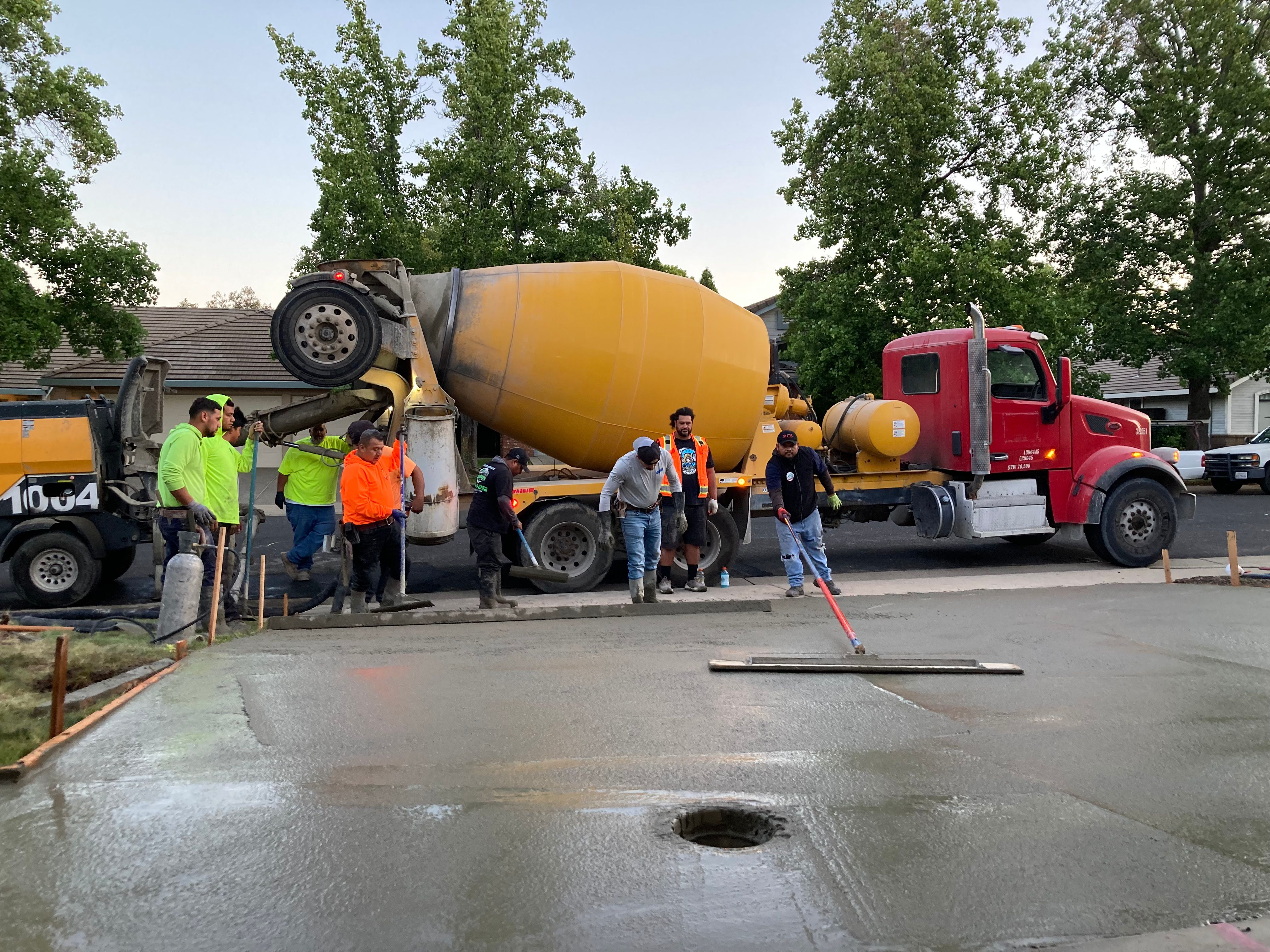
A walkway is the surface your family and your guests use most, usually in shoes that don't forgive an uneven edge.
Trip hazards
Individual pavers can lift as roots grow or sand washes out. A reinforced continuous walkway moves as one piece and has far fewer edges to catch a toe.
Weeds and washing out
Paver joints need sand and periodic attention. Concrete has planned control joints and nothing to refill.
Repairs
This is where pavers win: you can lift and reset a section. Concrete repairs happen at the panel level, which is a bigger job when it's needed — and needed far less often.
Wet-weather traction
A broom or textured concrete finish grips well in winter rain. Slick sealed surfaces of any material do not — we don't recommend them on paths.
The short version
For a low-maintenance, low-trip-hazard path that gets daily use, poured concrete is the safer default.
Want this answered for your property?
Book a free walkthrough. Sione will look at your site and follow up with a written proposal — no pressure, no obligation.